

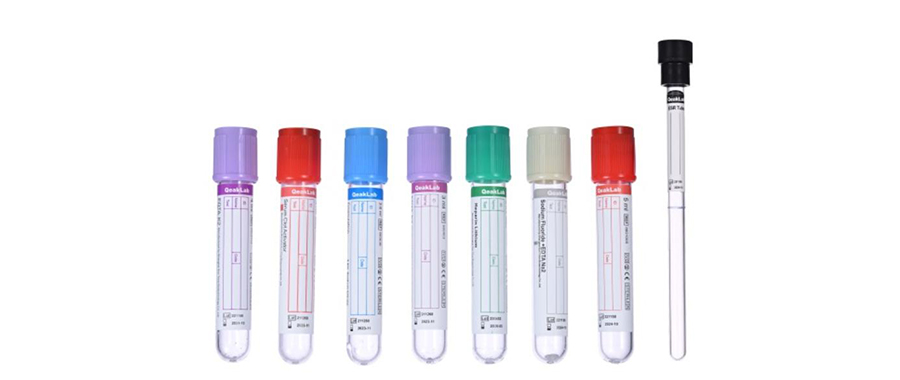
Blood collection is an essential step in clinical laboratory testing. The quality of a blood sample can directly affect the reliability of laboratory results. Among the commonly used medical consumables, Vacuum Blood Collection Tubes play an important role in collecting, preserving, and preparing blood samples for different laboratory examinations.
But how do these tubes work, and why do they come in different types?
1. What Is a Vacuum Blood Collection Tube?
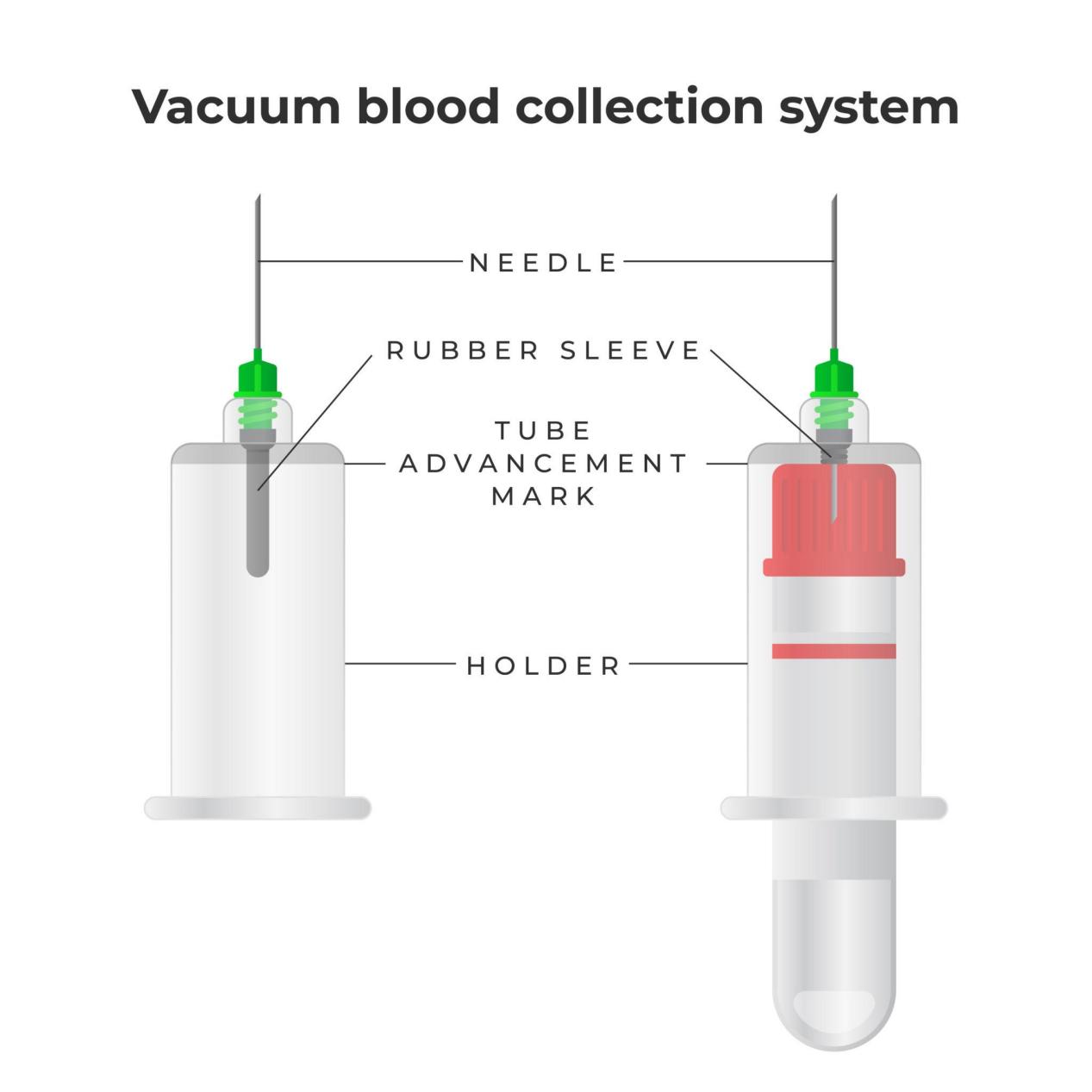
A vacuum blood collection tube is a specially designed tube used to collect blood samples from patients. It contains a preset vacuum that allows blood to flow into the tube automatically when connected to a compatible blood collection needle.
Compared with traditional blood collection methods, vacuum blood collection systems help standardize blood collection volume and simplify the collection process.
2. How Does the Vacuum Blood Collection System Work?
The working process is relatively simple:
Step 1: Needle Insertion
A healthcare professional inserts the blood collection needle into the patient’s vein.
Step 2: Tube Connection
The vacuum collection tube is placed into the compatible needle holder, and the needle penetrates the rubber stopper.
Step 3: Blood Collection
The pressure difference between the vacuum inside the tube and the blood pressure causes blood to flow into the tube.
Step 4: Sample Mixing
For tubes containing additives, gentle inversion helps distribute the additives throughout the blood sample according to the manufacturer’s instructions.
Step 5: Laboratory Testing
The collected sample is sent to the laboratory for further processing and examination.
3. Why Do Different Blood Collection Tubes Contain Different Additives?
Different laboratory tests require different types of blood samples. This is why vacuum blood collection tubes are designed with different additives. Here are some common types:
- ● EDTA Tubes
EDTA acts as an anticoagulant by binding calcium ions, helping prevent blood coagulation. These tubes are commonly used for hematology examinations, such as complete blood count (CBC) testing. - ● Heparin Tubes
Heparin is an anticoagulant commonly used for plasma preparation and certain biochemical tests. - ● Coagulation Tubes
These tubes typically contain sodium citrate, which helps prevent blood clotting by binding calcium. They are commonly used for coagulation testing. - ● Clot Activator Tubes
These tubes contain clot-activating additives that help accelerate blood clot formation, making them suitable for serum preparation. - ● Glucose Tubes
These tubes contain additives designed to help preserve glucose levels in blood samples for glucose testing.
Choosing the appropriate tube is essential for obtaining samples suitable for the intended laboratory examination.
4. Key Factors to Consider When Choosing Blood Collection Tubes
5. Reliable Blood Collection Tube Solutions from QeakLab
At QeakLab, we provide a range of blood collection tubes designed for different laboratory testing requirements.
Our product range includes EDTA Tubes, Heparin Tubes, Glucose Tubes, Coagulation Tubes, Clot Activator Tubes, Gel & Clot Activator Tubes, and other blood collection solutions.
We offer different tube materials, sizes, and draw volumes to meet various customer requirements.
Whether you are a medical distributor, laboratory supplier, or healthcare product purchaser, choosing suitable blood collection products is an important part of your supply chain.
Contact QeakLab today to learn more about our blood collection tubes and request product catalogs or samples.
Website: https://www.qeaklab.com/
Post time: Nov-06-2026